Specifications
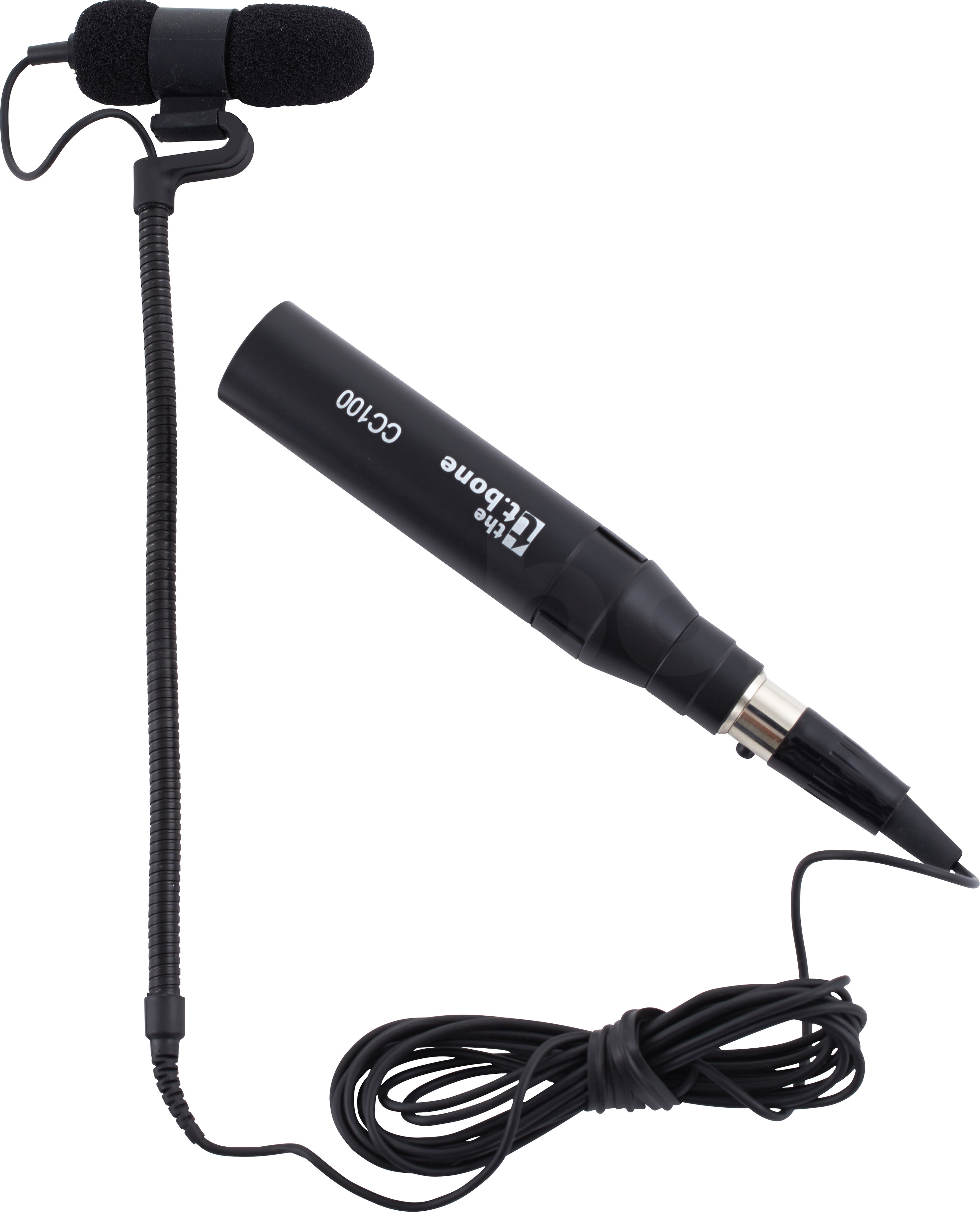
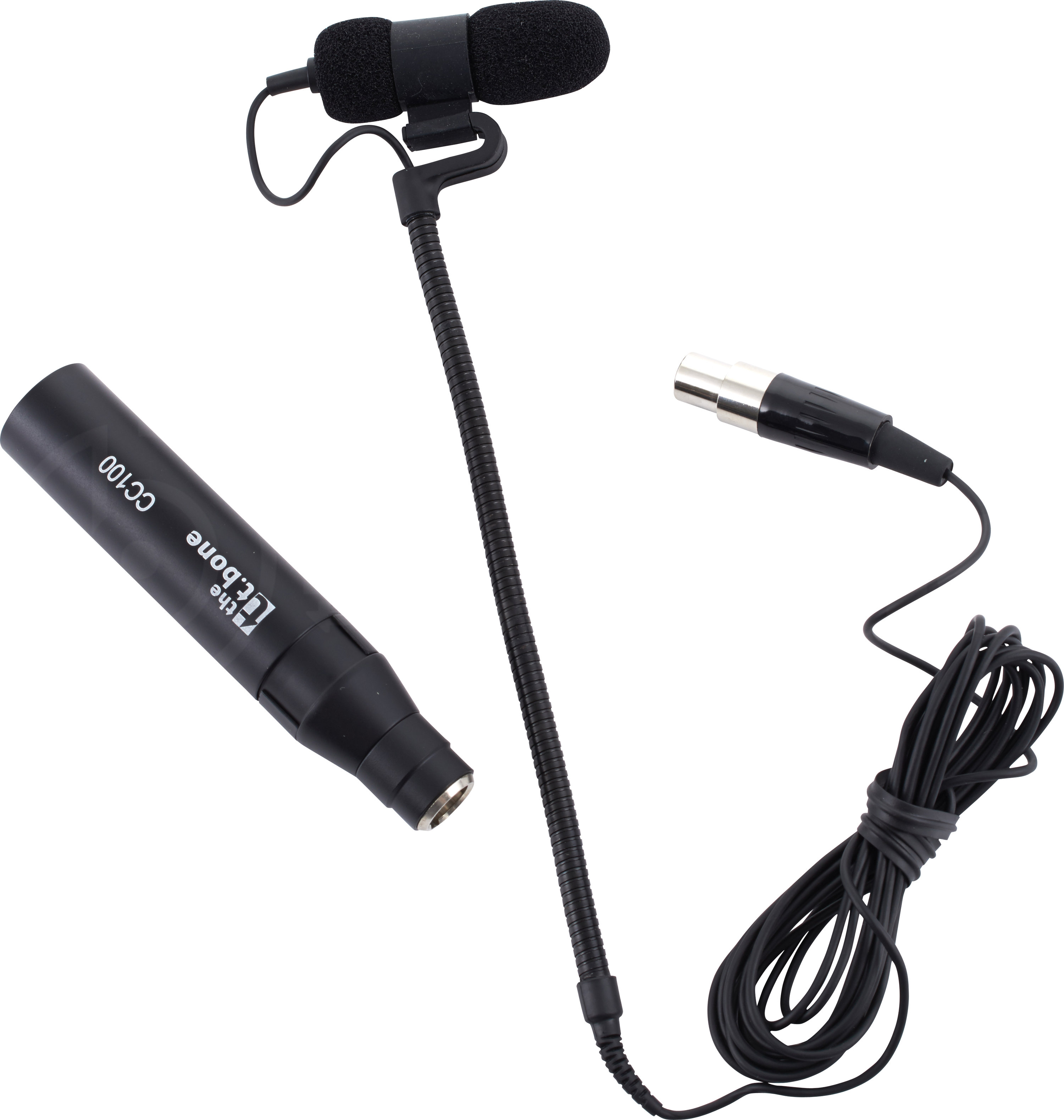
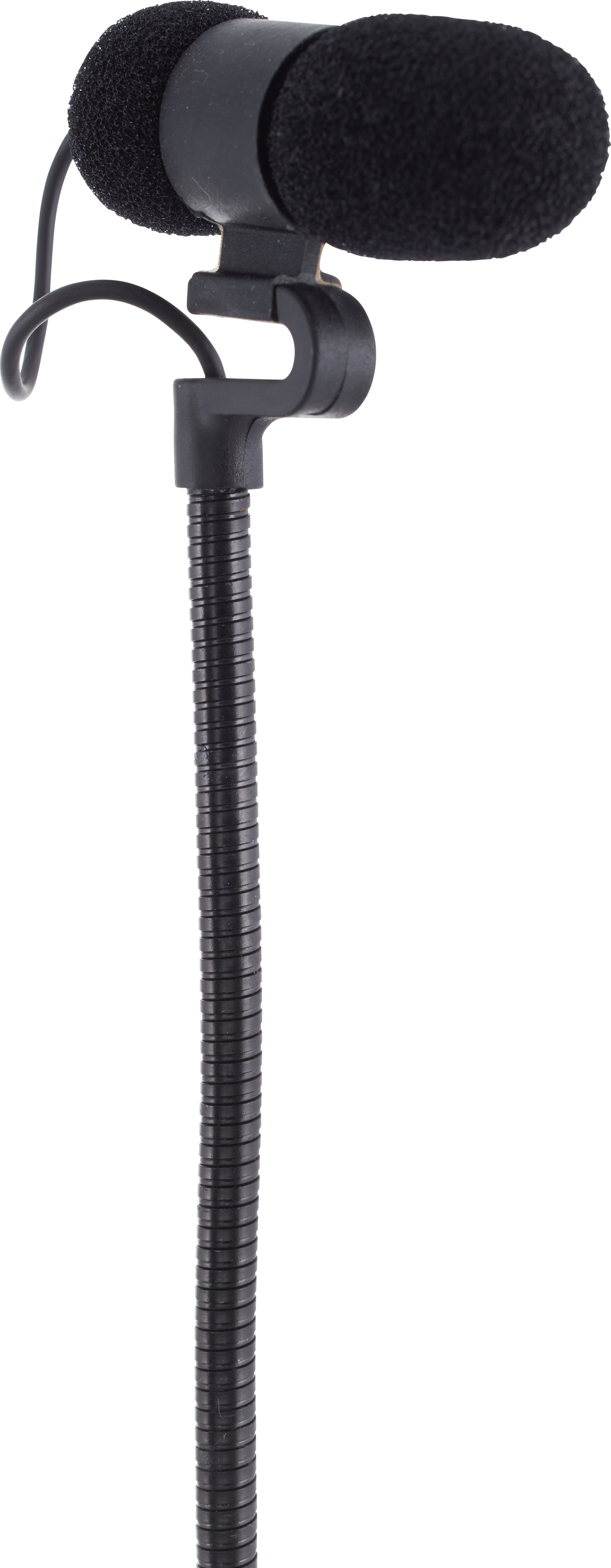
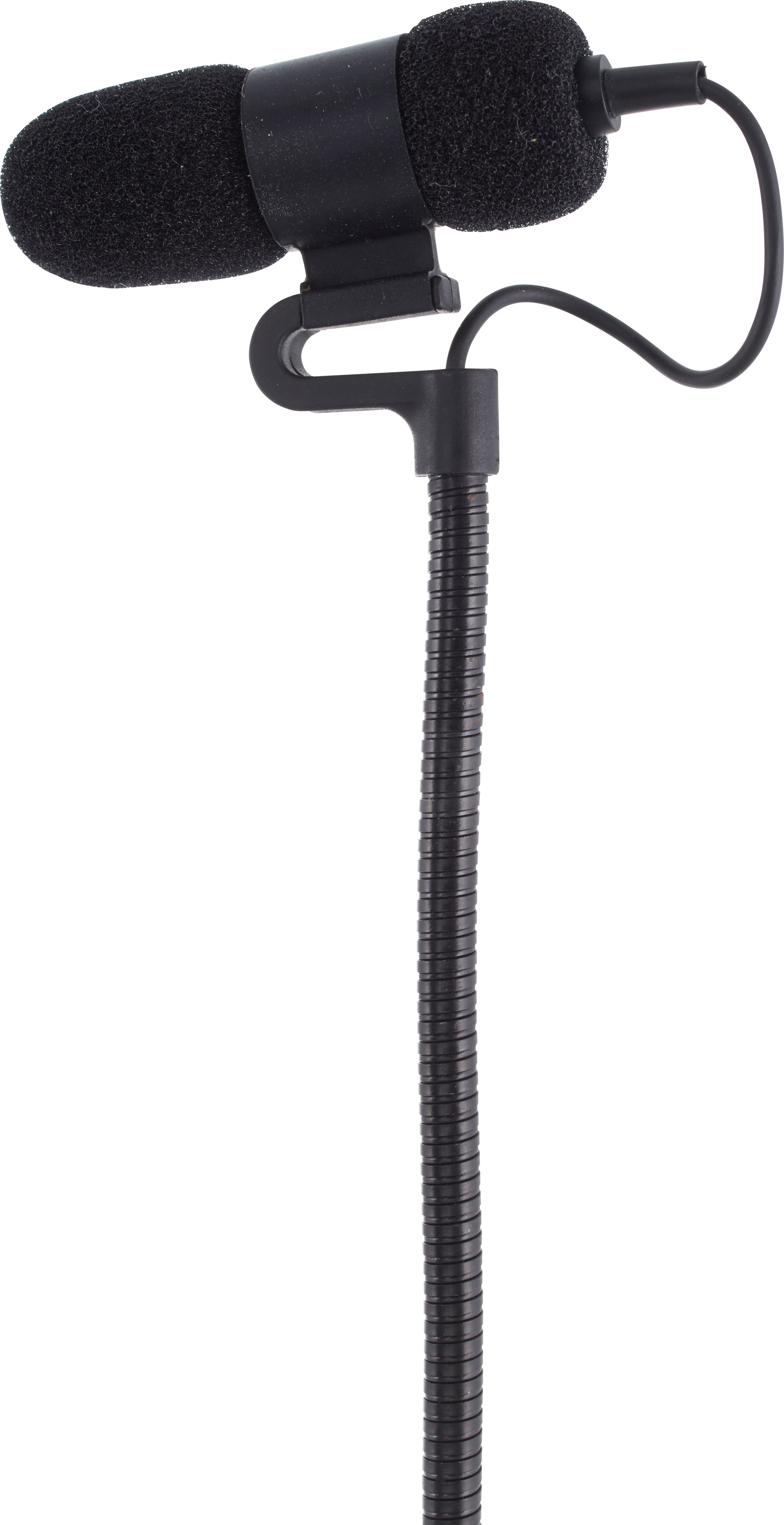
the t.bone Ovid System CC 100
Condenser Clip Microphone for Ovid System
- Directional characteristic: Cardioid
- Frequency response: 20 – 20,000 Hz
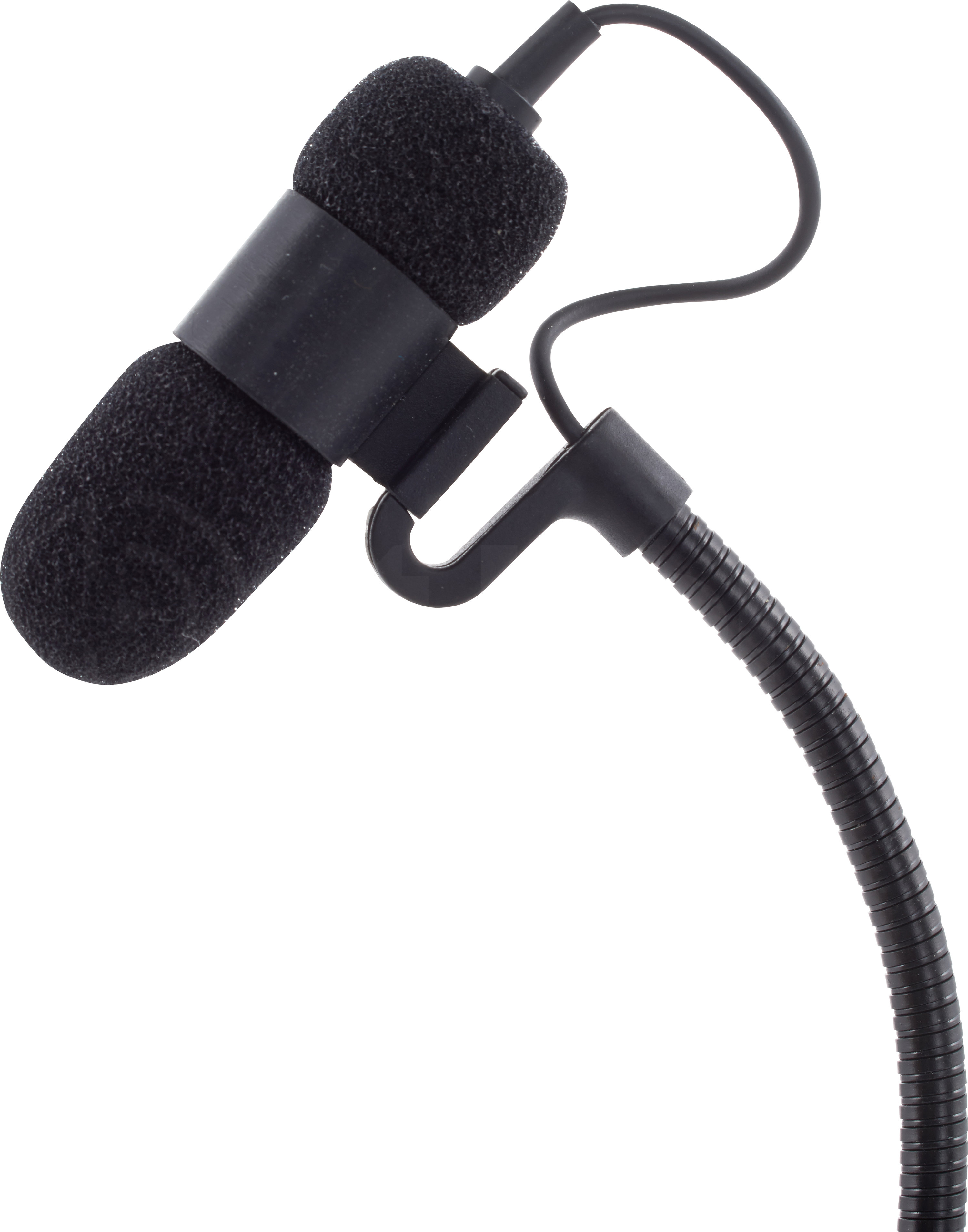
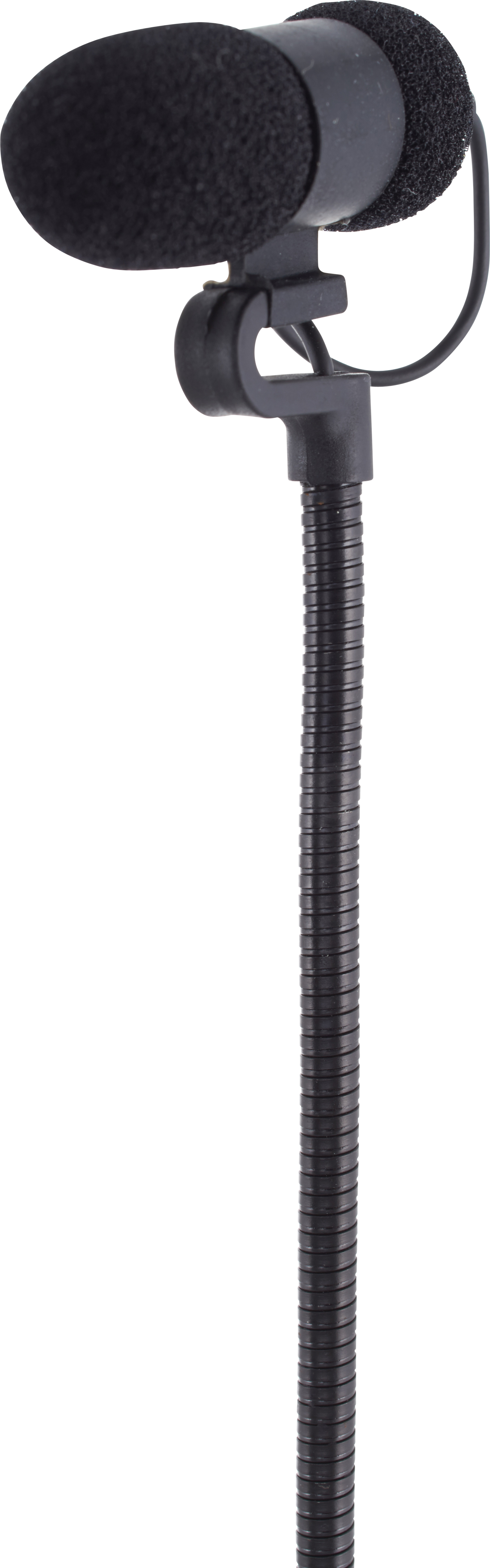
- Flexible gooseneck for an easy instrument setup
- 3-Pin Mini XLR connector for operation with t.bone wireless systems (also suitable for AKG wireless systems)
- Gooseneck length: 130 mm
- Cable length: 2 m
- Easy to install and can be used with different instrument clips (not included, must be ordered separately)
- Includes an XLR phantom power adapter (phantom power required) and a foam windshield
This is a placeholder. Loading the YouTube content will share data with third parties.
More Information
Compact microphone easily
attaches anywhere

There are occasions when a microphone is best kept out of sight. For example, if performance is videotaped, bulky mics, stands and thick cables can impair the picture. And while microphones can certainly look attractive on stage, they clearly draw attention away from the instruments, atmosphere and of course the instrumentalist.
Condenser with cardioid pattern

A bright, transparent and highly detailed micro condenser capsule is the heart of the Ovid CC 100. With its cardioid polar pattern, it is easy to block out unwanted neighbouring sound sources and reverberation. Despite its small size, the field sensitivity is at 8.7 mV/Pa and the noise at a low 20.3 dB(A), with an impedance of 1500 ohms. With 110 dB SPL max., it can handle louder sources, as well. The tiny capsule is covered in foam to avoid pops and wind noise, and the head is suspended in order to keep vibration at an absolute minimum. As a condenser microphone, it requires phantom power to operate.
Fixed
cable to 3-pin XLR

Its 130 millimetre gooseneck makes the t.bone Ovid System CC 100 easy to position. Various inexpensive clips and clamps are available for attaching it to any instrument. The fixed 2 metre cable leads to a 3-pin mini-XLR plug. With this plug, AKG style wireless systems can be used out of the box. The CC 100 comes with a phantom adapter that allows you to connect the microphone to any standard XLR microphone input like those found on mixers, stage boxes or audio interfaces. Once you’ve used the CC 100, you probably won’t miss large studio condenser microphones or expensive stage microphones at all!
