Specifications
the t.bone HMC 1
Condenser Pendant Microphone
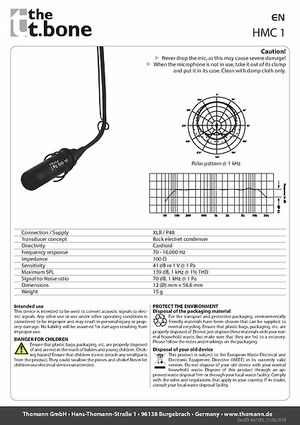
- Cardioid characteristic
- Frequency range: 70 – 16,000 Hz
- Impedance: 100 Ohm
- 41 dB re 1V
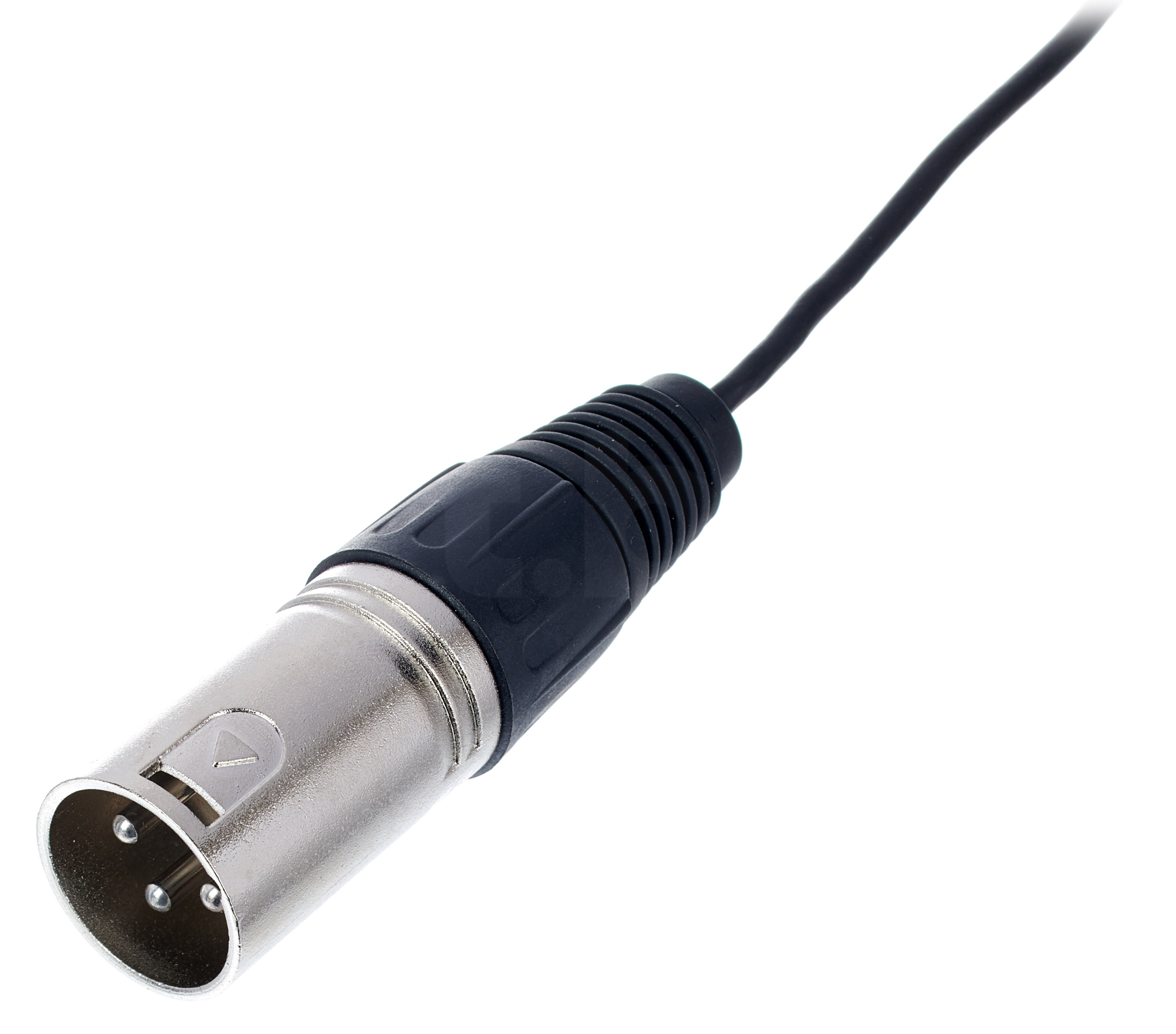
- XLR connector
- Requires 48 V phantom power
- Dimensions (Ø x L): 12 x 56.6 mm
- Weight: 15 g
- Colour: Black
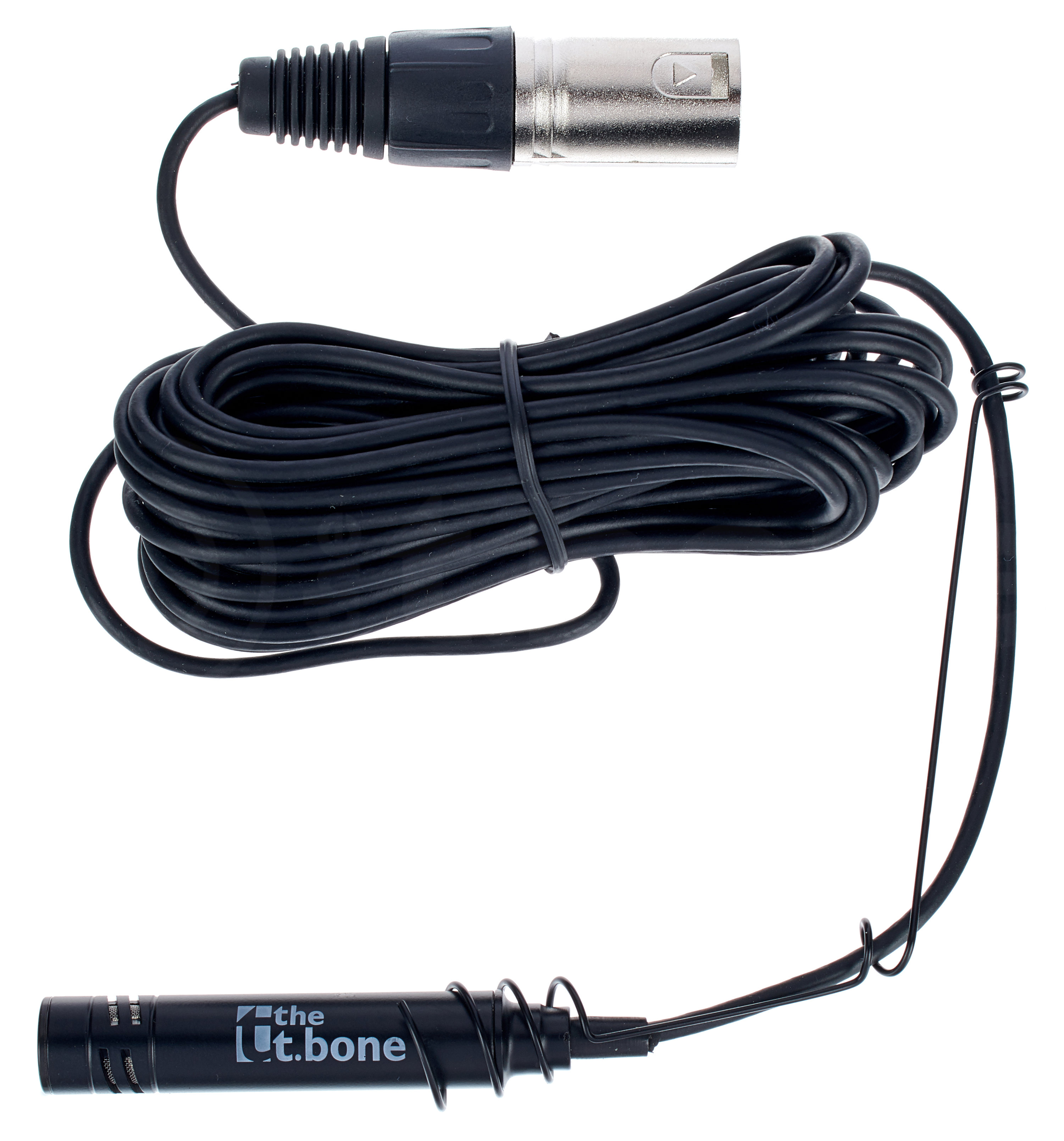
- Includes suspension bracket

Ceiling-suspended microphone
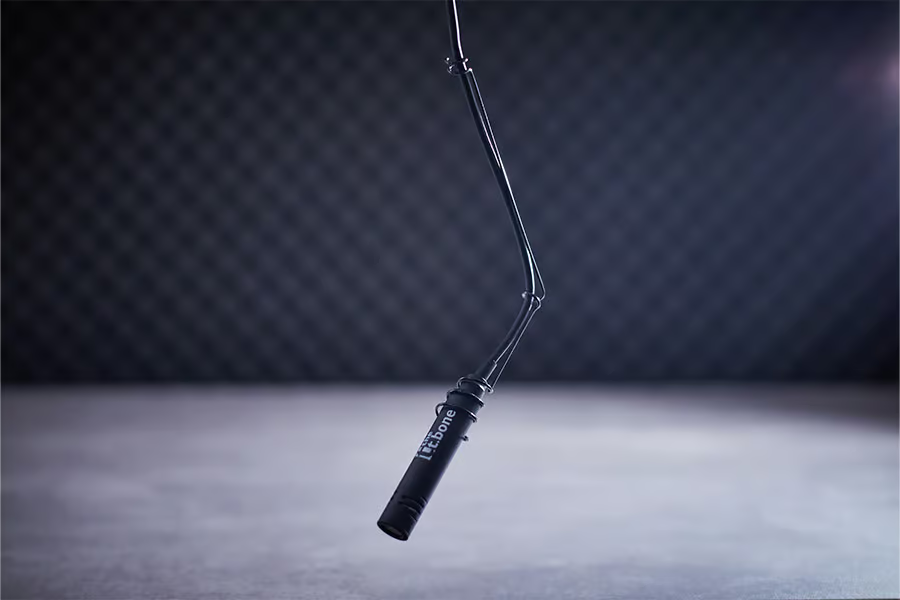
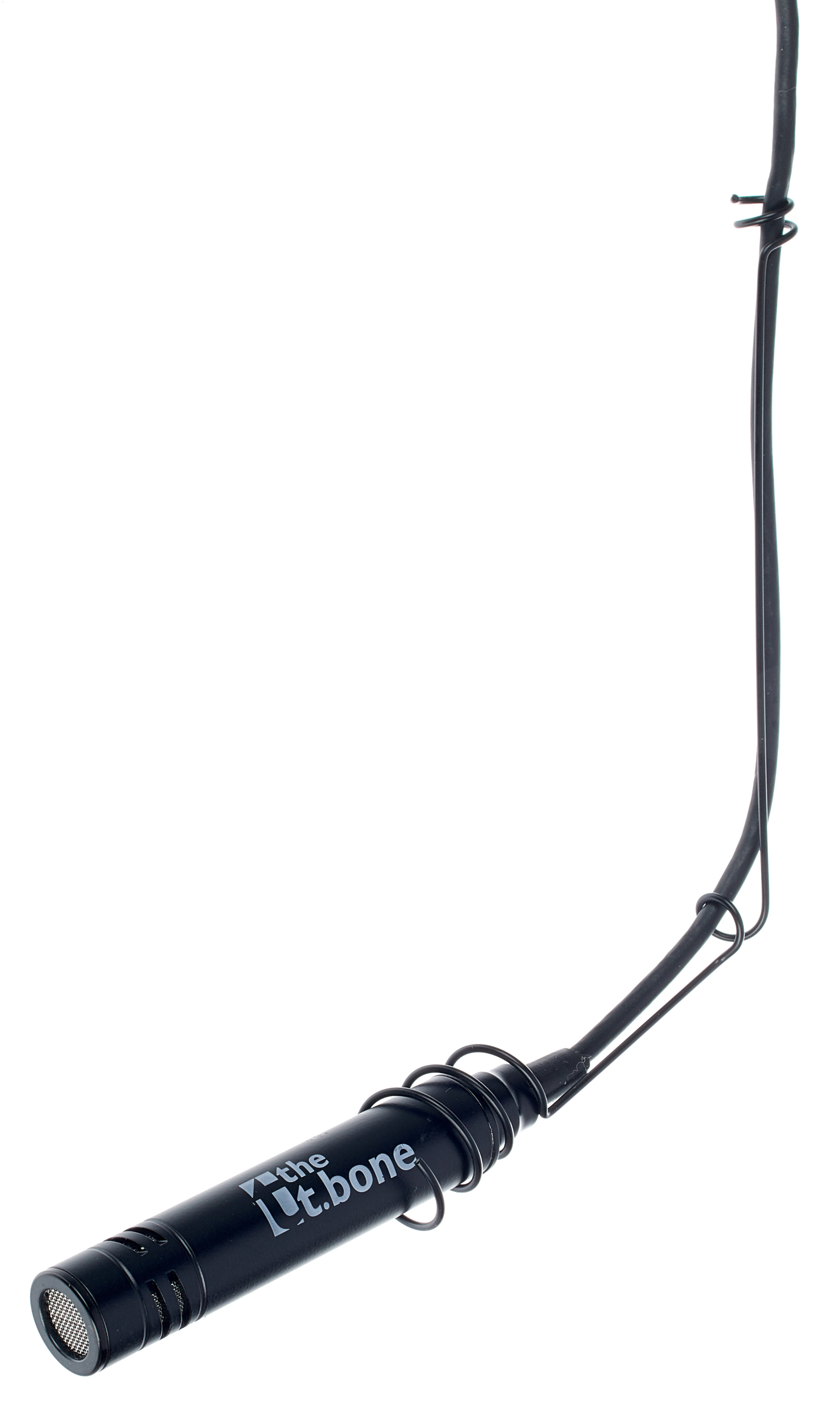
When it comes to miking in large rooms, halls or churches, operating huge booms isn’t always ideal. Maybe there is an audience underneath, maybe there is video involved, maybe all the audio gear should rather not be visible to anyone. Suspending microphones by their cable is often the best option for a small visual footprint. From a certain distance, it virtually disappears. And for capturing sound sources like orchestras, choirs, audiences or the reverberation field, positioning the microphones quite high up is the preferred position for many engineers. The t.bone HMC 1 is a microphone specifically designed for this purpose!
Cardioid polar pattern
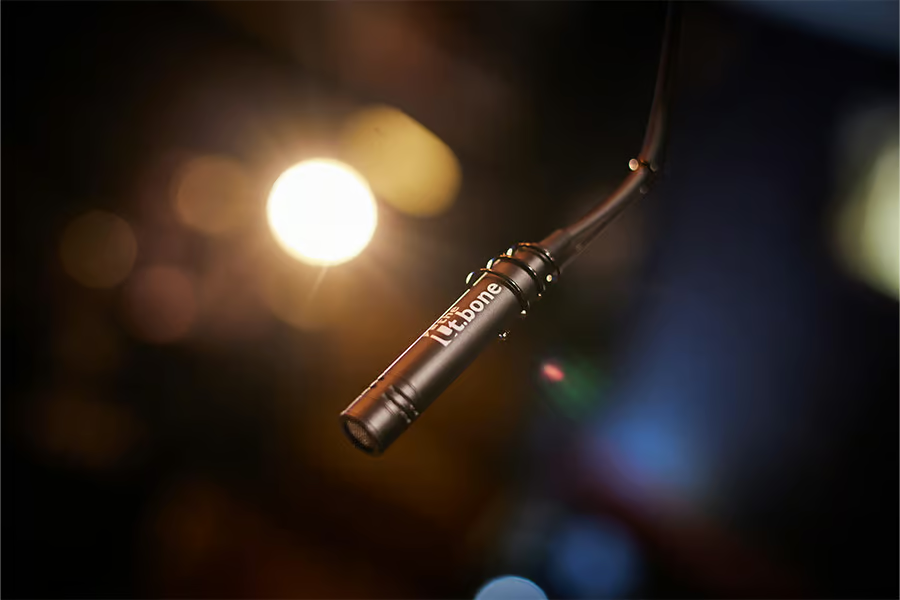
An extra-long and thin cable is all that is needed to suspend the microphone from a mounting point on the ceiling. This can be a beam, a hook or a wire taut between two points. The small capsule itself can be brought into position by bending the wire that wraps around the capsule and the cable. It is a directive capsule with a cardioid polar pattern, so it is most sensitive from the very front and least sensitive from the rear. With a frequency resonse from 70 Hz to 16 kHz and a very flat curve in between, the HMC 1 captures the relevant spectrum of most instruments and voices.
High sensitivity
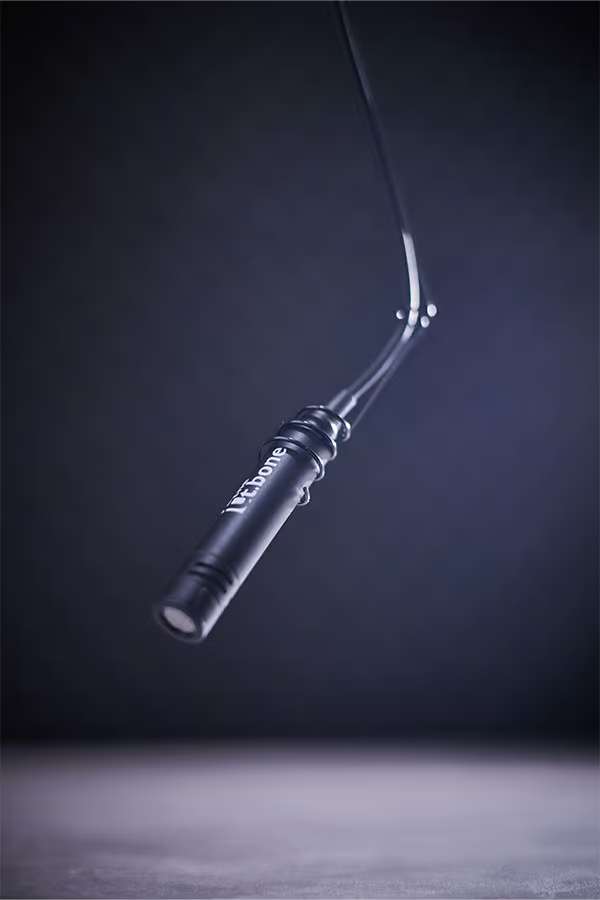
As the transducer is electrostatic and its diaphragm is very lightweight, the t.bone HMC 1 detects all sonic details. High volumes (139 dB SPL) and long cable runs are not an issue for the 100-ohms microphone that required 48-volt phantom power to operate. With a sensitivity of 8.9 mV/Pa, it can easily be connected to mic preamps, interfaces or mixers with not-so-high gain ranges. The microphone’s output connector is a standard three-pin XLR. It goes without saying that you don’t absolutely have to hang it from a ceiling: Try using it on film sets, for fixed installations or whatever you can think of!