Specifications
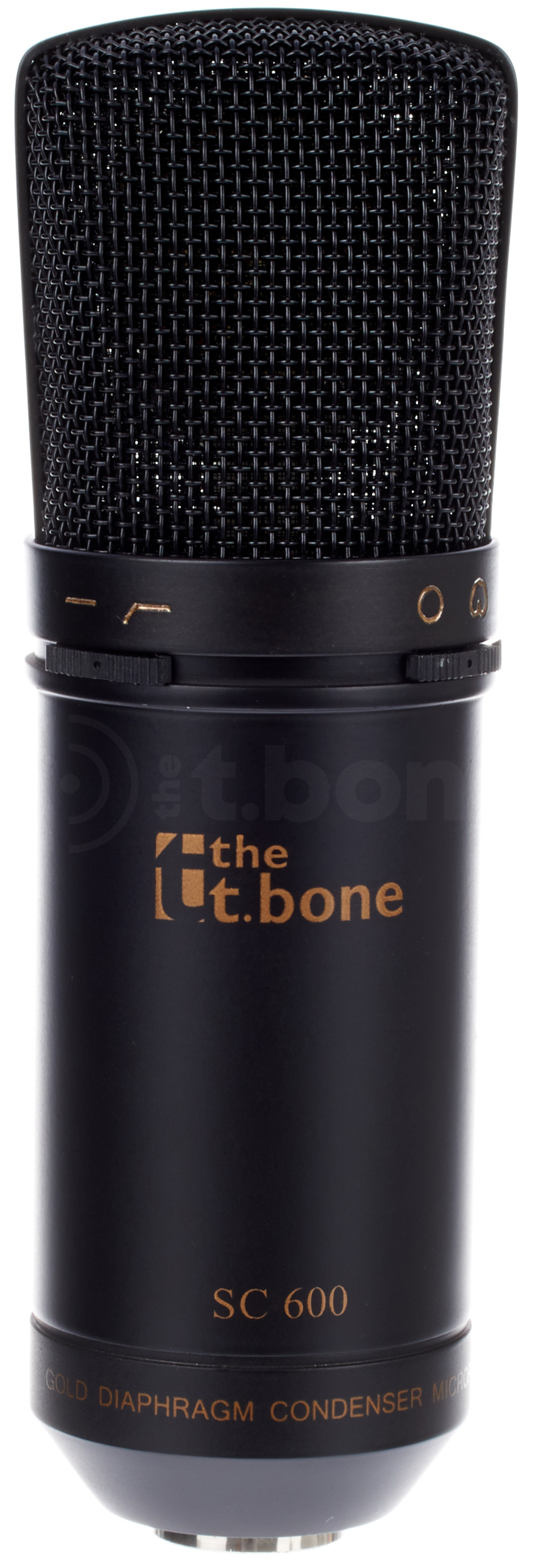
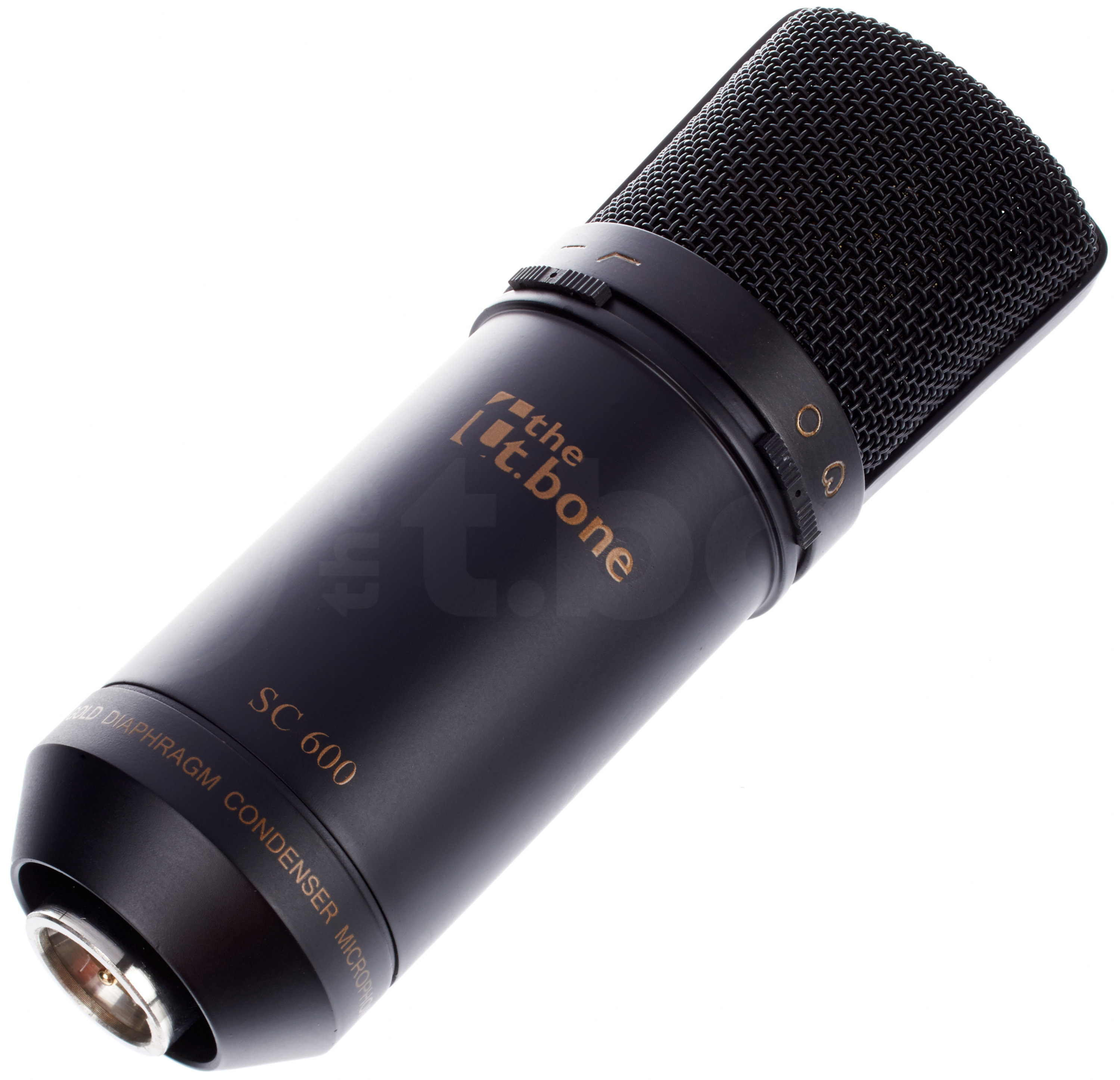
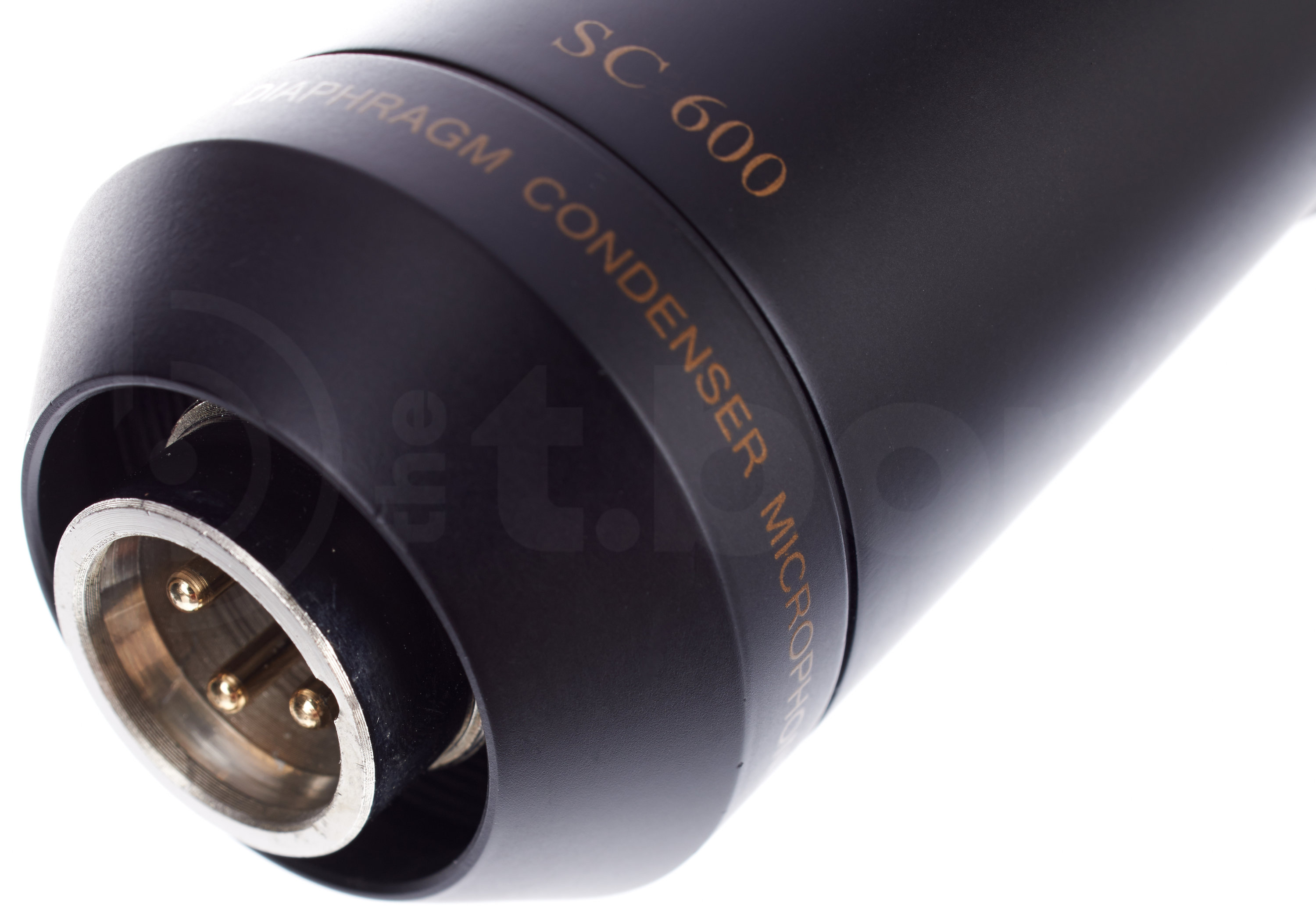
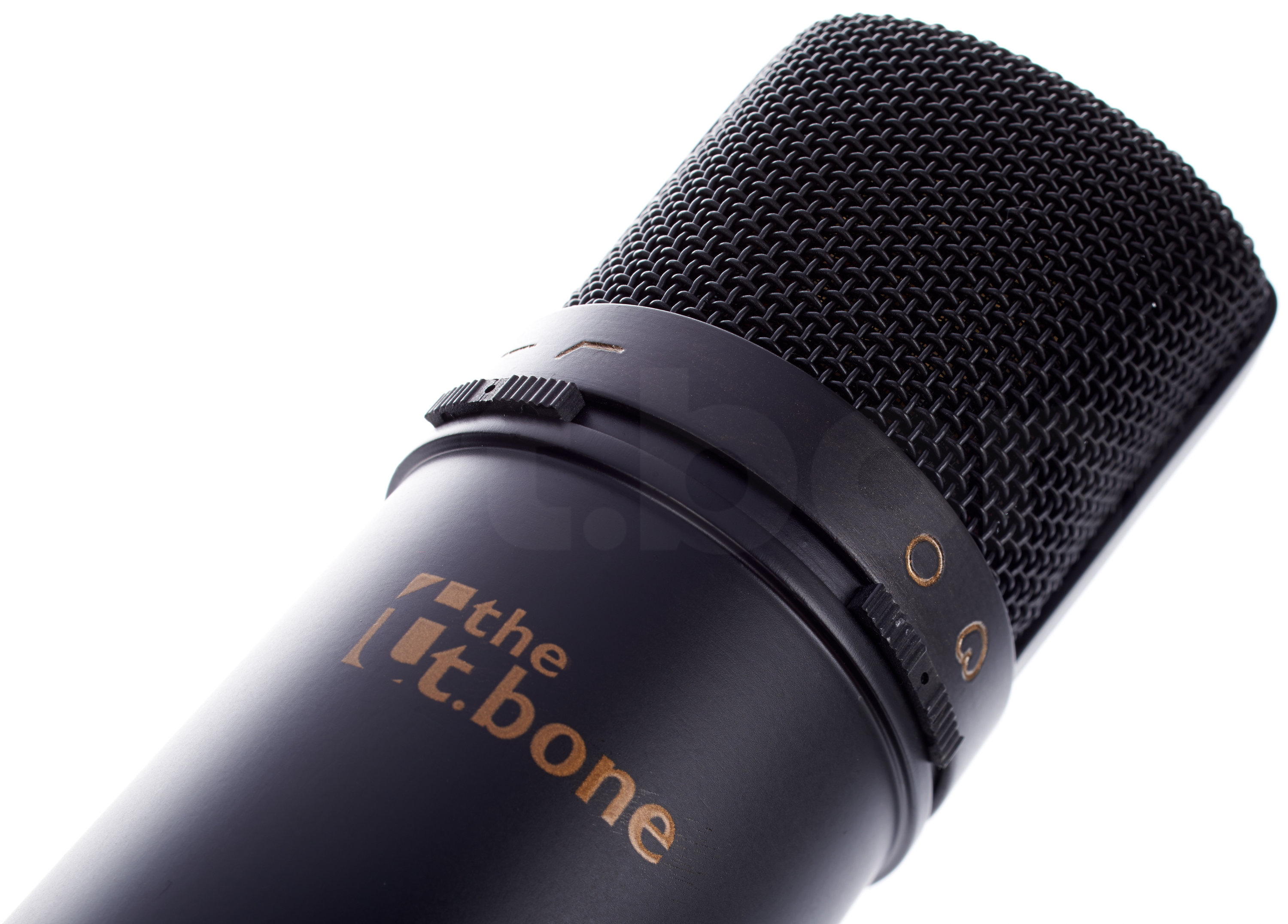
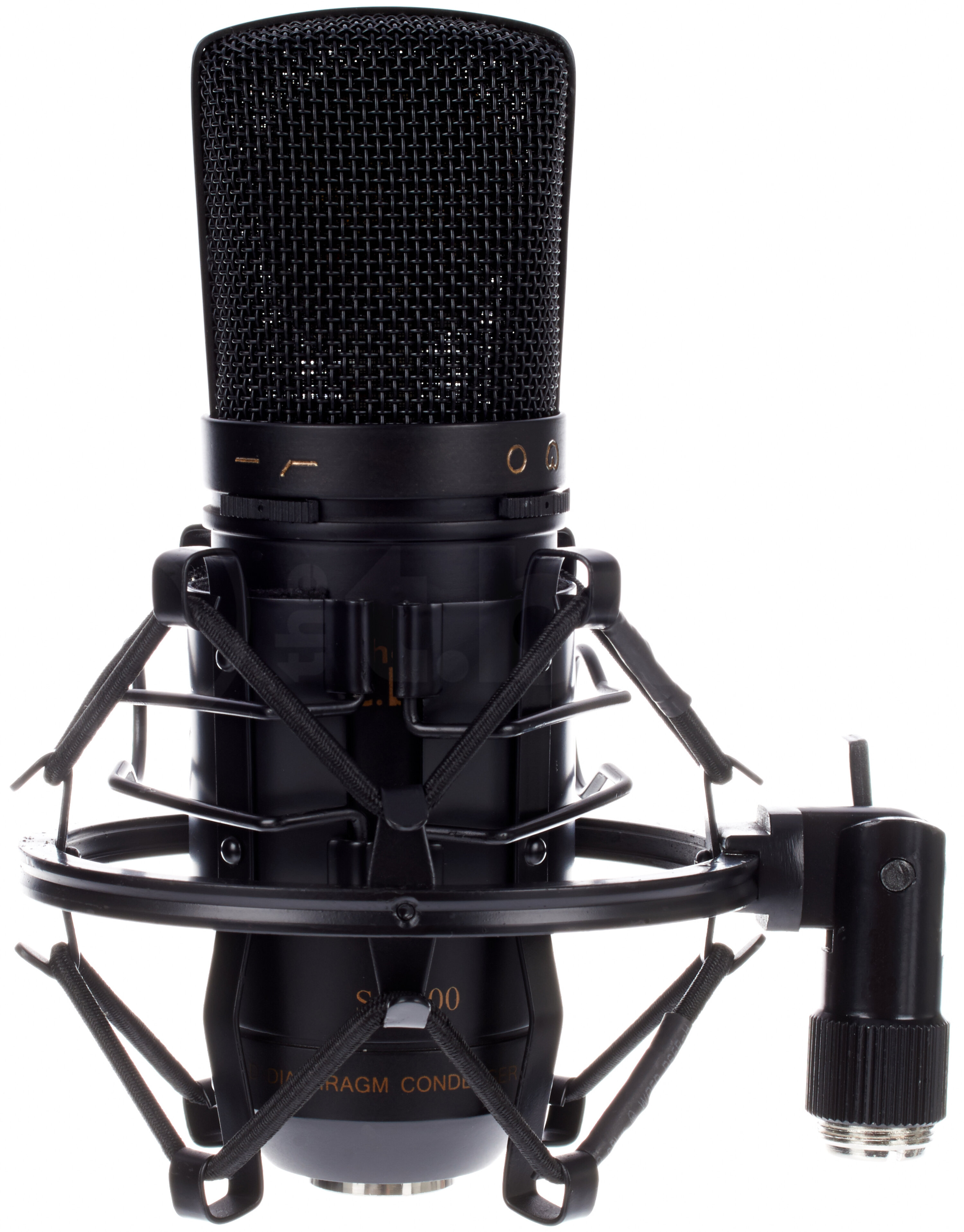
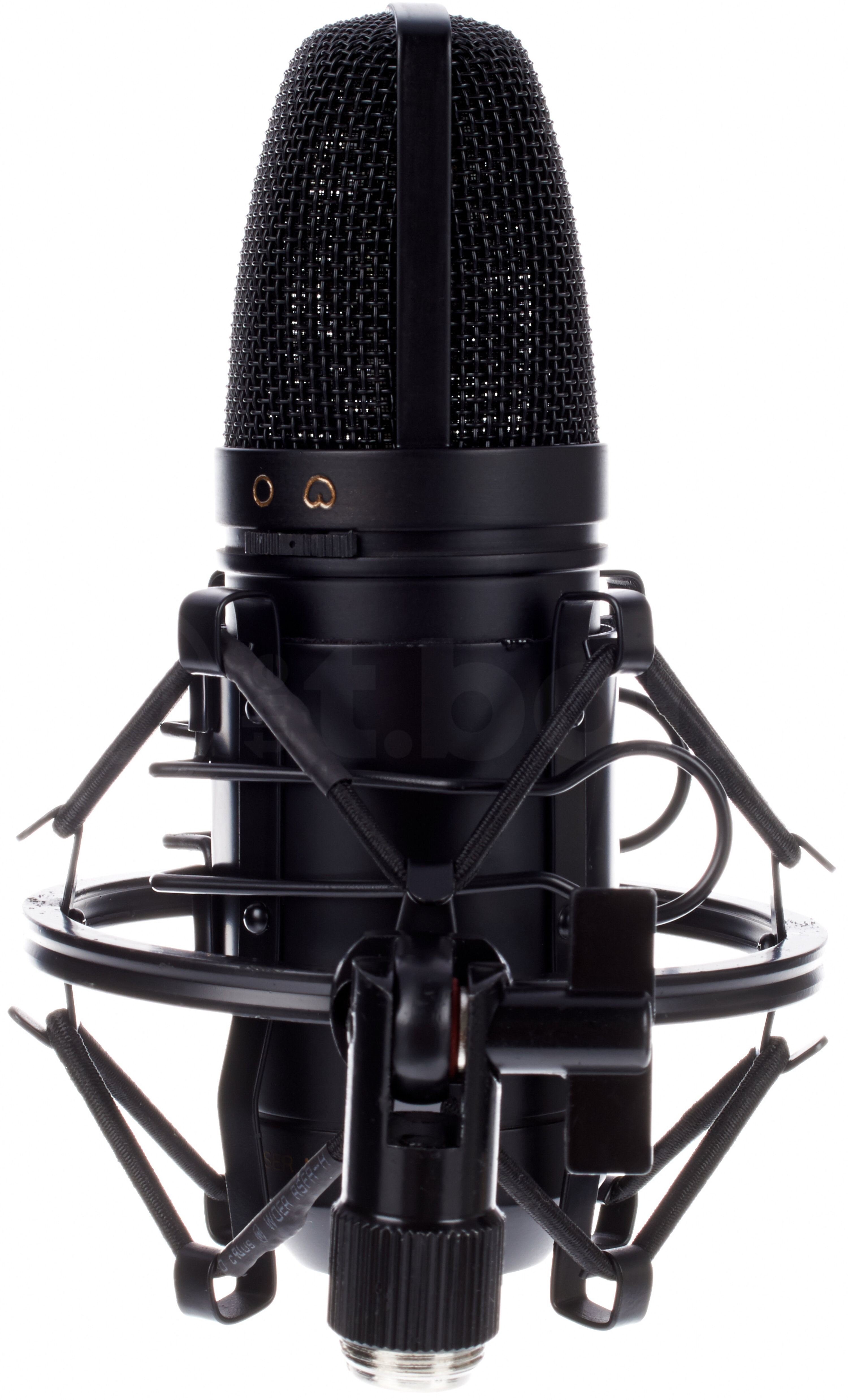
t.bone SC600 Studio Large Diaphragm Microphone
Studio Large Diaphragm Condenser Microphone
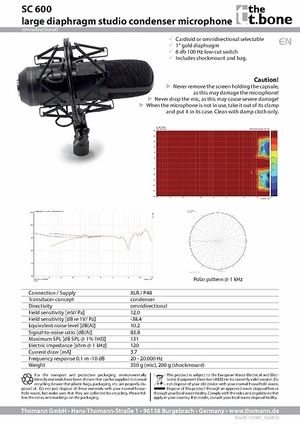
- Polar pattern: Cardioid and omnidirectional
- 1″ Gold diaphragm
- Frequency response: 30 – 20.000 Hz
- Impedance: 200 Ohm
- Maximum sound pressure level (SPL): 138 dB
- Low cut switch at 100 Hz with 6 db
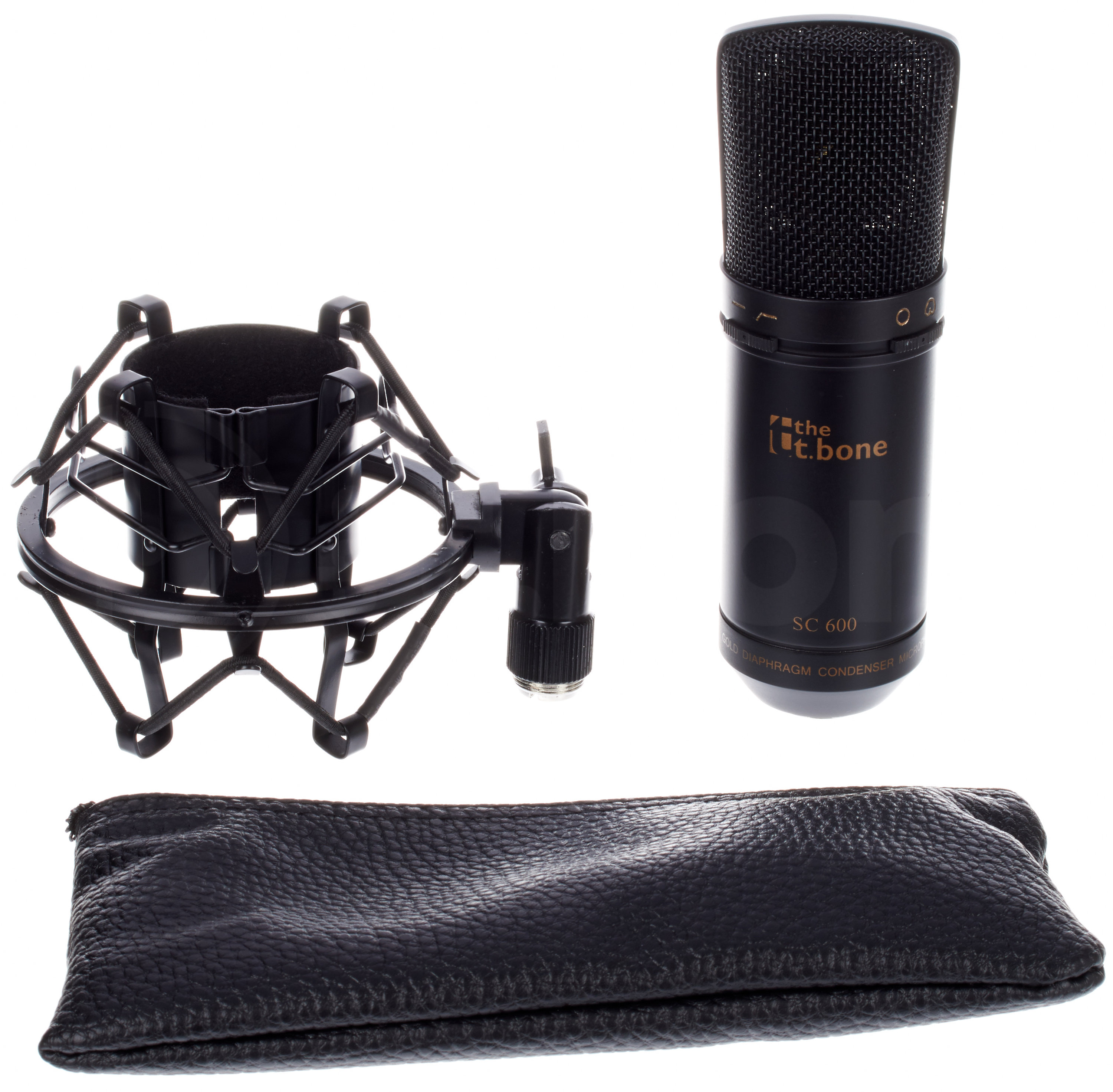
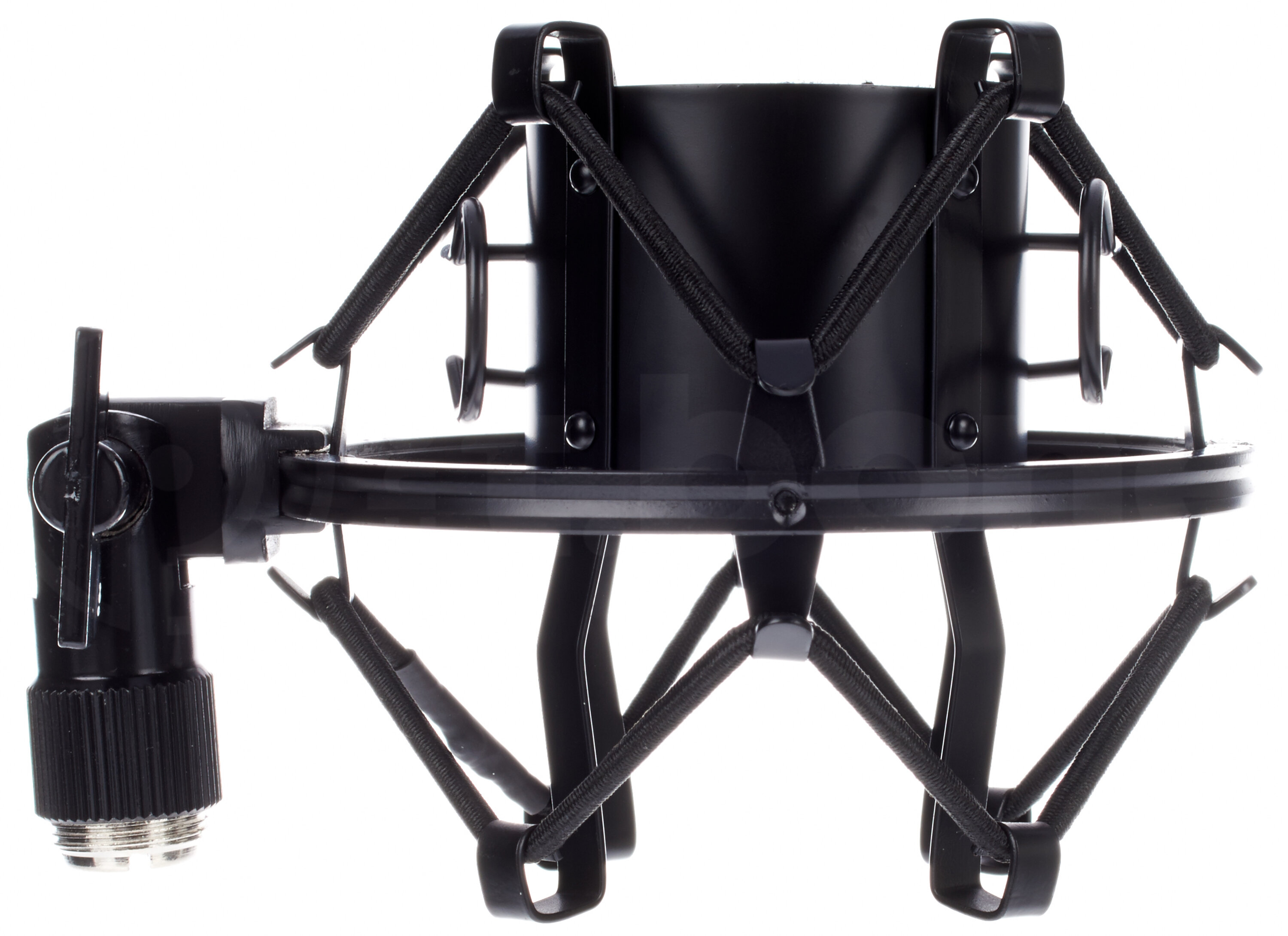
- Includes elastic mount and bag
- Polar pattern: Cardioid and omnidirectional
- 1″ Gold diaphragm
- Frequency response: 30 – 20.000 Hz
- Impedance: 200 Ohm
- Maximum sound pressure level (SPL): 138 dB
- Low cut switch at 100 Hz with 6 db
- Includes elastic mount and bag
- Polar pattern: Cardioid and omnidirectional
- 1″ Gold diaphragm
- Frequency response: 30 – 20.000 Hz
- Impedance: 200 Ohm
- Maximum sound pressure level (SPL): 138 dB
- Low cut switch at 100 Hz with 6 db
- Includes elastic mount and bag
This is a placeholder. Loading the YouTube content will share data with third parties.
More Information
Spot or not?
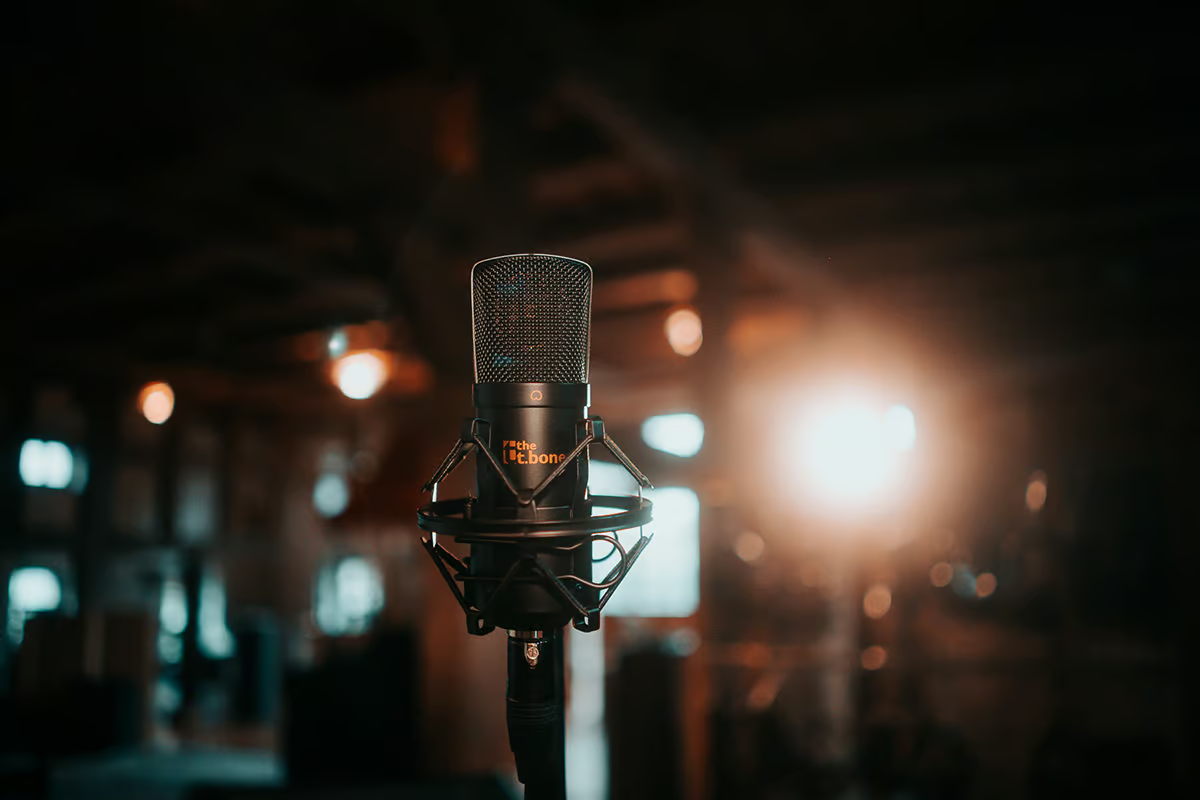
This isn’t just useful if the room sound is precisely what you want (during recording in good-sounding rooms, for example), but also if multiple signals are coming from different directions. The t.bone SC 600 allows for those two patterns by using two large, gold-sputtered condenser diaphragms in a back-to-back arrangement.
Large-diaphragm, bright sound
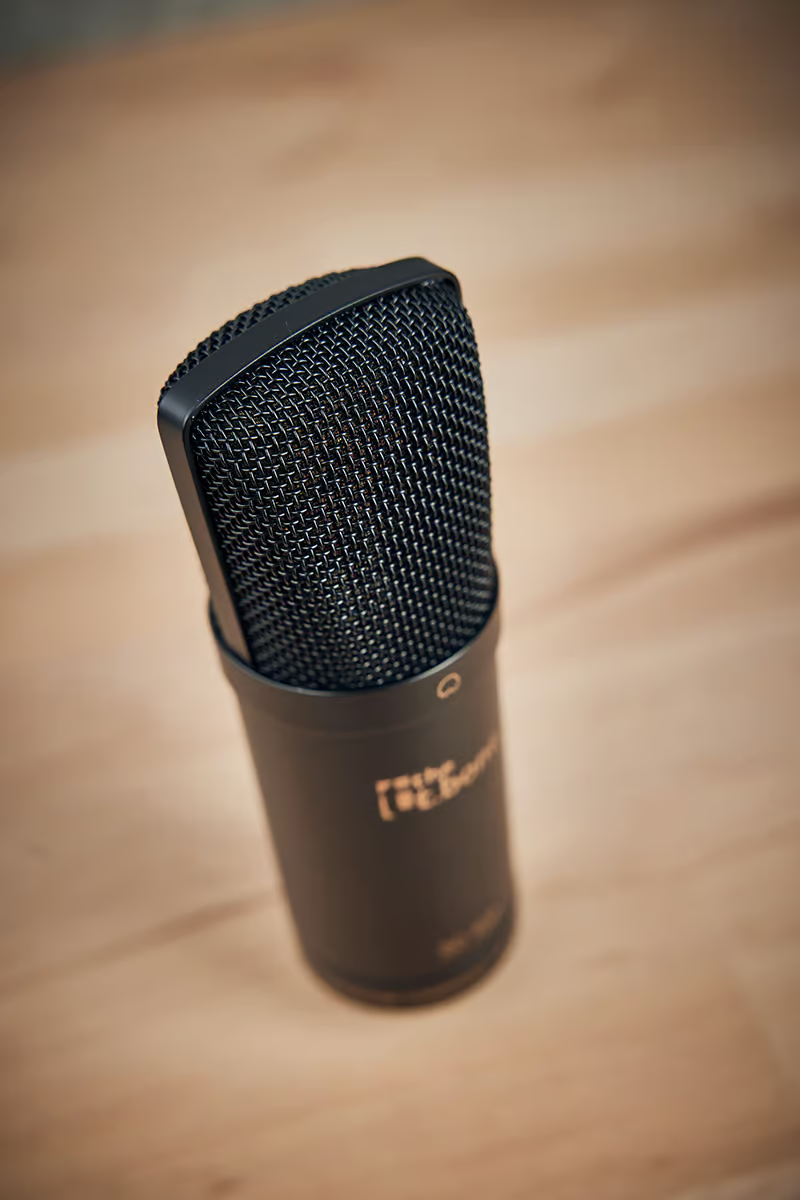
Despite being a large-diaphragm capsule microphone, the SC 600 sounds very bright and open. Both patterns (but especially the omni) feature a deliberate dip that prevents the sound from getting harsh and annoying. From there down to the low frequencies, the SC 600’s response is very linear. Addressed from up close, it provides extra bass and sub-bass. If that isn’t wanted or needed, the switchable 100 Hz high pass filter comes in handy. Low frequency mechanical vibrations will have a hard time reaching the capsule, as the SC 600 is fully equipped with a shock mount. A protective pouch is also included.
Loud or quiet: Both are no problem
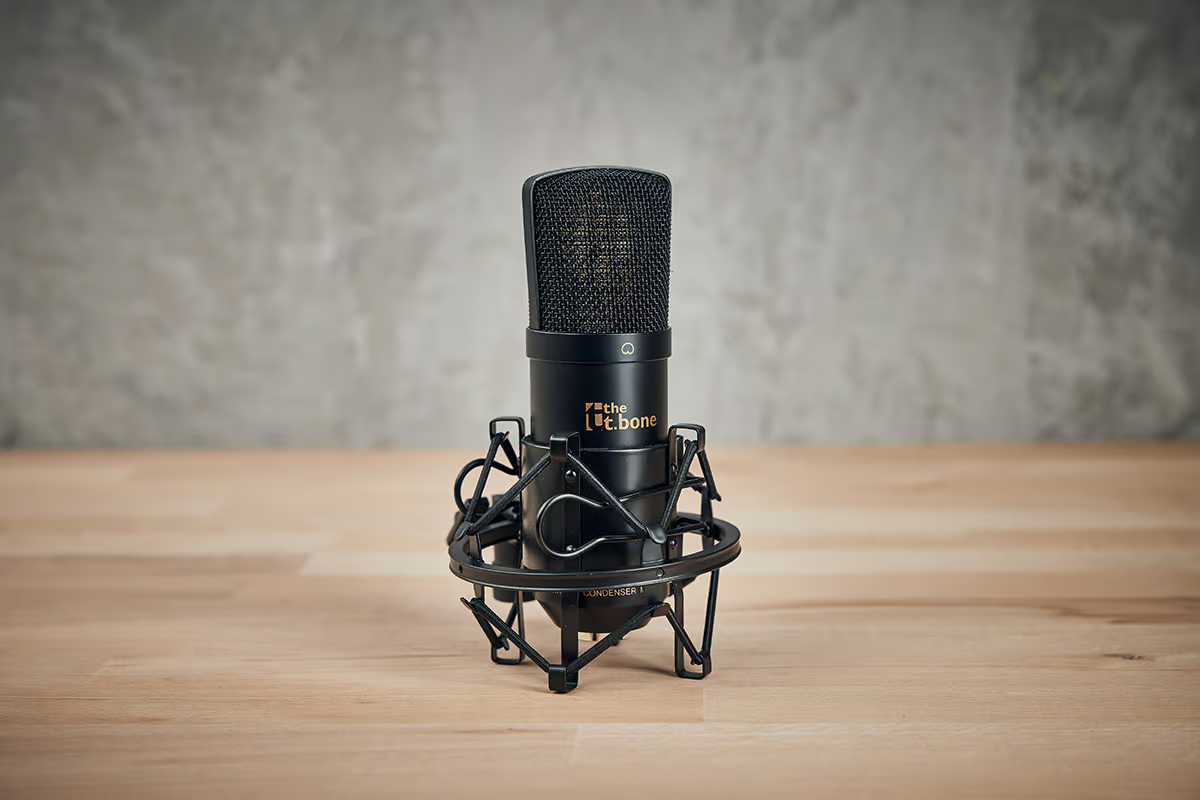
Very loud sound sources like brass instruments are no problem for the t.bone SC 600, as it can handle a maximum sound pressure level of over 130 dB. On the other hand, soft sources aren’t an issue, either: An equivalent noise level of only 8.7 dB(A) (super-cardioid, omni: 10.2) is an impressive figure. With a field sensitivity of 13.9 mV/Pa and an impedance of only 120 ohms, this studio microphone easily connects to all common microphone preamps – even budget-class ones. They just need to be able to provide 48 volts phantom power, but good luck finding a preamp without that option nowadays.